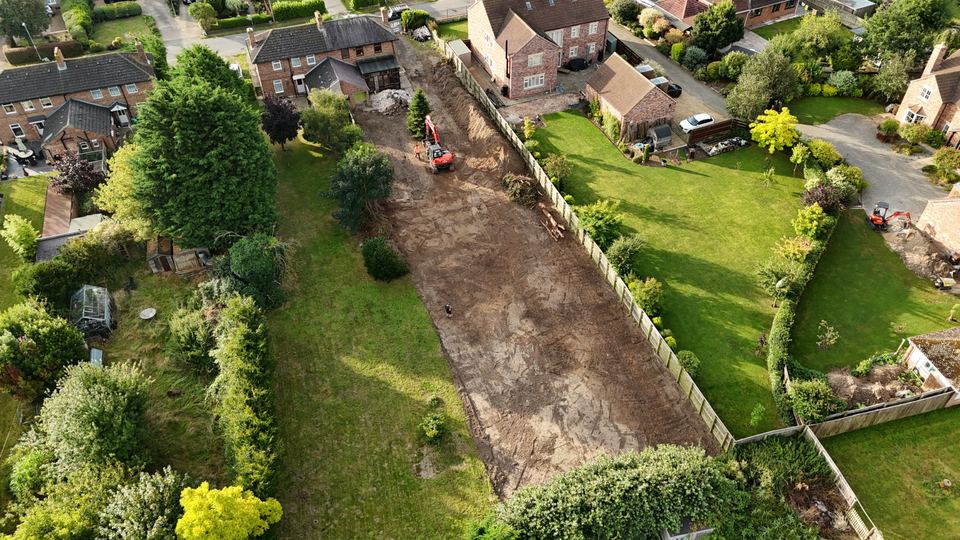
Equestrian arena cost in 2026: what a ménage really costs
The equestrian arena cost that matters is the one for your ground. Across the UK a full 40x20 m ménage typically costs £20,000 to £40,000 (Checkatrade, 2026). This guide breaks that figure down: size, surface, drainage, ground conditions and access, and where the money goes before the sand goes down.
- £20k to £40ktypical 40x20 m installation (Checkatrade, 2026)
- 25 to 50%added for poor ground or access (Checkatrade, 2026)
- 1 to 2 weekstypical build time (Checkatrade, 2026)
How much does a horse arena cost in the UK?
Published UK figures for 2026 give a clear starting point (Checkatrade, 2026):
| Item | Typical UK cost |
|---|---|
| Full 40x20 m installation | £20,000 to £40,000 |
| Sand surface | £45 to £85 a tonne |
| Rubber surface | £60 to £95 a tonne |
| Synthetic fibre | £12 to £20 per m² |
| Poor ground or access | adds 25 to 50% |
| Build time | one to two weeks |
All figures above: (Checkatrade, 2026). That is a range of £20,000 for the same size of arena. The gap comes from what is under the surface, not the surface itself.
What drives the cost to build an outdoor riding arena
Ground and levels. A flat, free-draining field needs a strip and a trim. A sloping field needs cut and fill: earth dug from the high side, placed and compacted on the low side, and that is machine hours. Heavy clay or soft peat means digging deeper and putting more stone back. This is the line that turns a £20,000 arena into a £40,000 one.
Drainage. Herringbone drains with a carrier pipe to an outfall cost more than a perimeter drain, and a perimeter drain costs more than none. On Fen clay you need the herringbone. On sandy soil you often do not. See horse arena drainage.
Stone base. Clean stone is bought by the tonne and delivered by the lorry load. Depth follows the ground: thicker on soft formations.
Surface. Sand runs £45 to £85 a tonne, rubber £60 to £95 a tonne and fibre £12 to £20 per m² (Checkatrade, 2026). Waxed surfaces sit at the top of the market. Compare them on our horse arena surfaces page.
Access. If a 20 tonne lorry cannot reach the arena, every tonne of stone and sand is double handled. Tight gateways, soft tracks and long hauls across a field all add cost, which is why poor ground or access adds 25 to 50% (Checkatrade, 2026).
Fencing and extras. Post and rail, kickboards, gates, lighting and an access track are priced as separate lines.
Menage cost by size
Area drives the stone, membrane and surface quantities. Compared with a 40x20 m arena (800 m²):
- 20x60 m is 1,200 m², half as much again.
- 25x50 m is 1,250 m².
- 30x60 m is 1,800 m², more than double.
The cost does not scale perfectly with area. Setting up, the site visit, mobilising plant and the outfall are fixed, so bigger arenas cost less per m². Try the sizes in the ménage cost calculator and read the size guide.
Building a horse arena on a budget in the UK
The way to save money is to spend it in the right place. Cut the surface, never the base. A cheaper sand over a properly drained, properly compacted base rides well and can be upgraded with fibre later. A premium wax surface over a poor base fails, and you pay twice.
- Pick the smallest size that suits your riding.
- Site it on the flattest, driest ground with lorry access.
- Keep the topsoil on site for landscaping instead of paying to cart it away.
- Add lighting ducts during the dig even if the lights come later.
How to compare ménage quotes line by line
Two quotes for the same size of arena can sit thousands of pounds apart and both be honest. Lay them side by side and check the same lines are in both:
- Levels. Has the contractor taken levels, or guessed? Cut and fill is the biggest variable on a sloping field.
- Muck away. Is the spoil staying on site or being carted off? Haulage and tipping are real money.
- Drainage. Herringbone, perimeter or none, and where does the carrier pipe outfall? A quote with no outfall has no drainage.
- Stone. Which stone, how deep, and is it rolled in layers?
- Membranes. One layer or two? A geotextile on the formation and a separation membrane under the surface are both standard on a proper build.
- Surface. Which product, at what depth, and is fibre or rubber included or extra?
- Fencing, kickboards and gate. Included, or a separate price later?
The cheapest quote is often the one that has left the base out. We price every line openly, so you can see exactly where the money goes. George Wright put it simply: "Competitive rates,would highly recommend."
Indoor riding arena cost in the UK
An indoor arena adds a building: foundations, a steel or timber frame, cladding and roof, and usually planning consent for the structure. The groundworks are the same arena build plus pad or strip foundations for the frame. Steel frame buildings and concrete are on our service list, so Haydn prices the groundworks and foundations for the building alongside the arena.
What a full installation includes
Site visit and levels
Ground, falls, outfall and lorry access checked before pricing.
Strip, cut and fill
Topsoil off, formation cut to one plane and rolled.
Drainage
Herringbone or perimeter drains with a carrier pipe to an outfall.
Membranes
A geotextile under the stone and a separation layer over it.
Stone base
Clean stone laid in rolled layers and blinded.
Surface
Sand, fibre, rubber or wax spread to an even depth.
Fencing and gate
Post and rail, kickboards and a gate, priced as a separate line.
Jobs that prove it
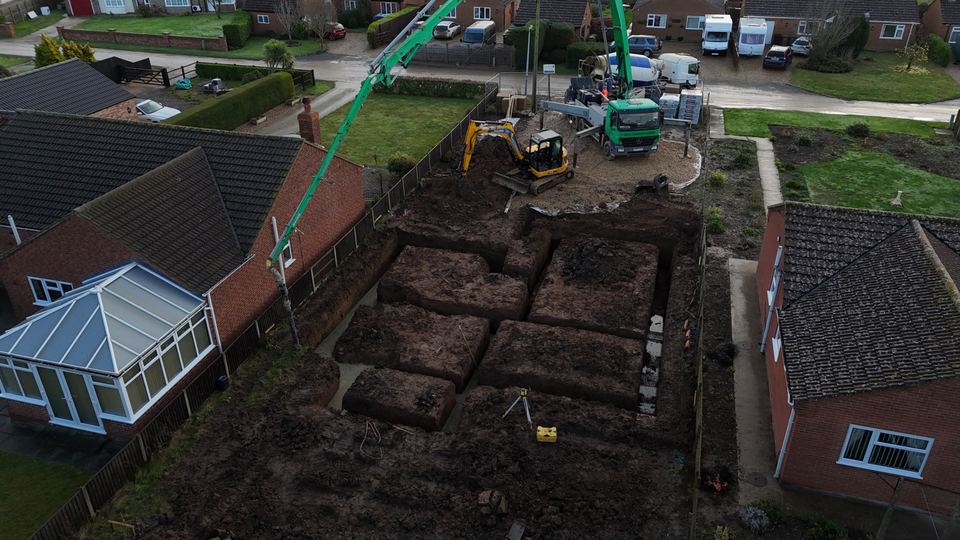
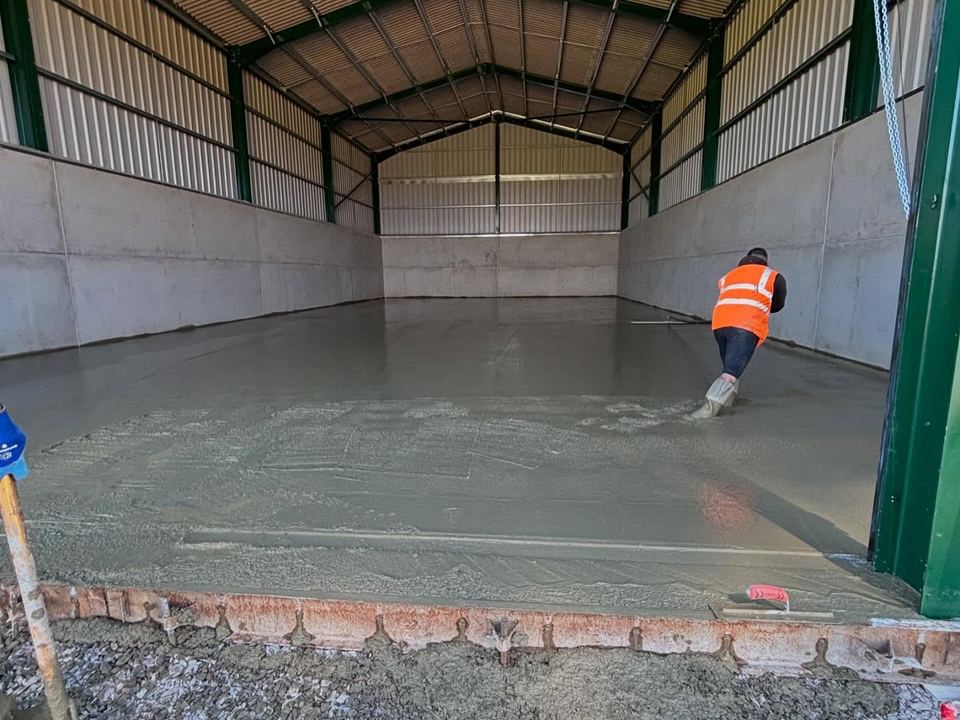
Real jobs, named places, our own photos.
What customers say about Haydn and the team
“Just OUTSTANDING from start to finish, nothing was too much trouble and communication was fantastic throughout the process would absolutely recommend him.”
“Competitive rates,would highly recommend. I’ve had many jobs done, all been completed to 100% satisfaction.”
“Excellent service fast and efficient 💪”
Ménage questions, answered
Anything else, ring Haydn on 01945 669203.
What is the average cost of a 40x20 ménage?
A full 40x20 m installation typically costs £20,000 to £40,000 in the UK, with about £30,000 the midpoint (Checkatrade, 2026).
How much is sand for a ménage?
Sand surfaces cost £45 to £85 a tonne (Checkatrade, 2026). The quantity depends on the arena area and the surface depth.
Is a rubber surface more expensive than sand?
Per tonne, yes: rubber runs £60 to £95 a tonne against £45 to £85 for sand (Checkatrade, 2026). Rubber is often used as a top layer or mixed in, so it rarely replaces the sand altogether.
Why do quotes vary so much?
Because the ground varies. Cut and fill on a slope, soft or heavy soil, the drainage design and access for lorries add 25 to 50% on difficult sites (Checkatrade, 2026). A quote given without a site visit is a guess.
Do you charge for the site visit?
No. Haydn visits free, takes levels and checks access, then gives you a written price.
Is a bigger arena cheaper per square metre?
Yes. The site visit, mobilising plant and building the outfall cost much the same whatever the size, so a 20x60 m or 30x60 m arena costs less per m² than a 20x40 m.
When is the best time to build a ménage?
Late spring through early autumn, when the ground is dry enough for lorries and plant. Book the site visit in winter, sort planning, and you are ready to build when the ground dries.
Book a free site visit
Tell us about the job. Haydn comes out, looks at the ground and the access, and gives you a price.